Ptolemy’s Geography
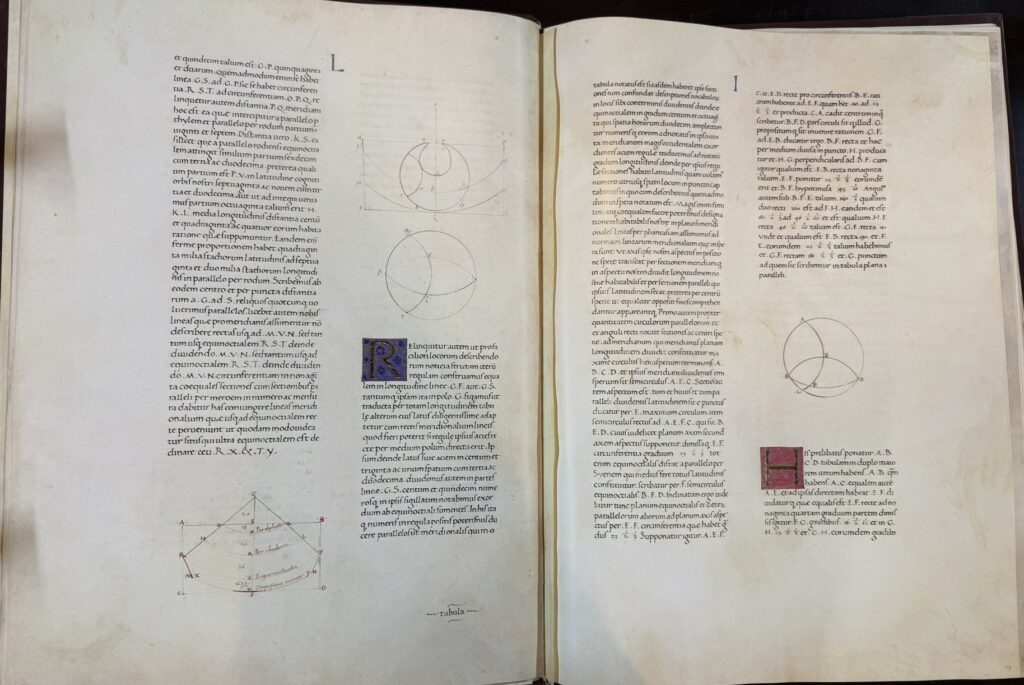
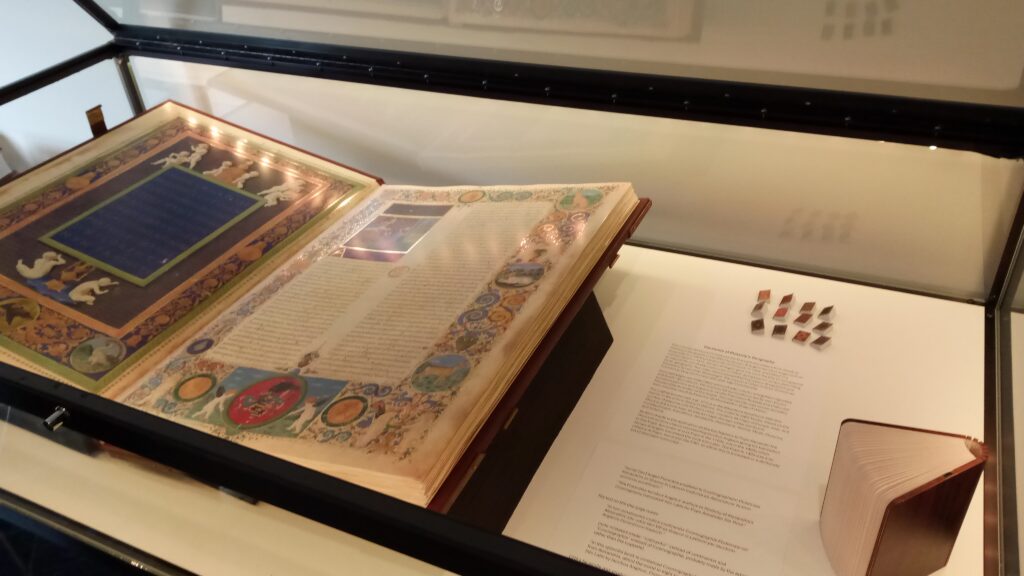
Facsimile of the original manuscript of the earliest Latin translation of the second century Greek-Egyptian geographer, astronomer, and mathematician Claudius Ptolemy’s Geography from 1472. It contains Ptolemy’s calculations of longitude and latitude coordinates of the known world of the second century along with 44 maps. Ptolemy’s descriptions led Christopher Columbus on his travels, and his geocentric system was the accepted world view for more than 1,000 years until Copernicus. The manuscript is housed in the Vatican Library.
“The Ambrosian Iliad”
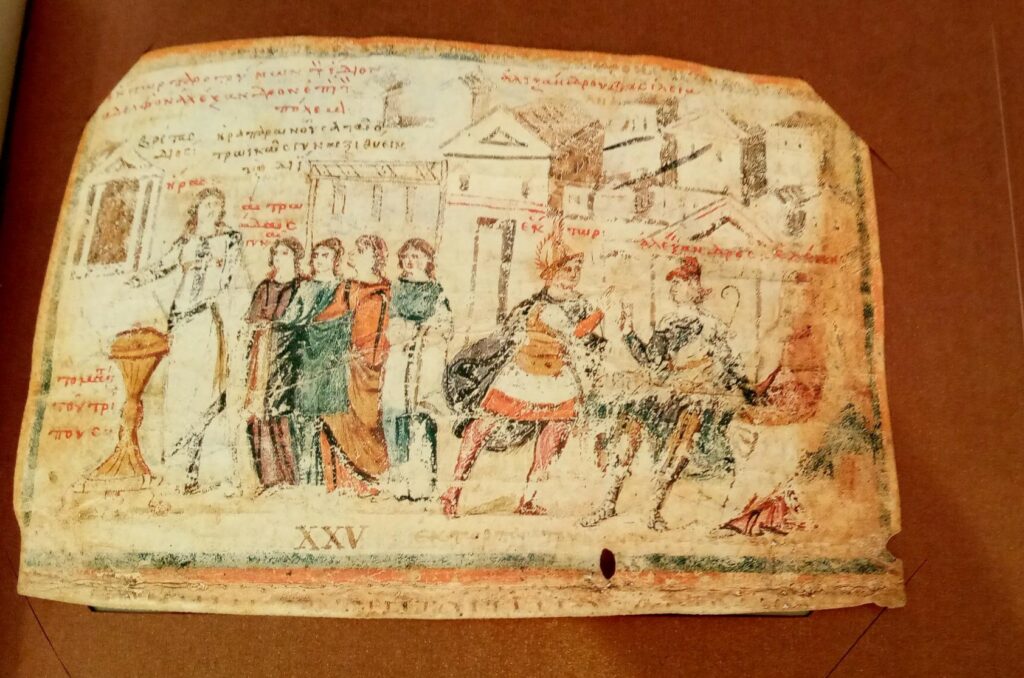
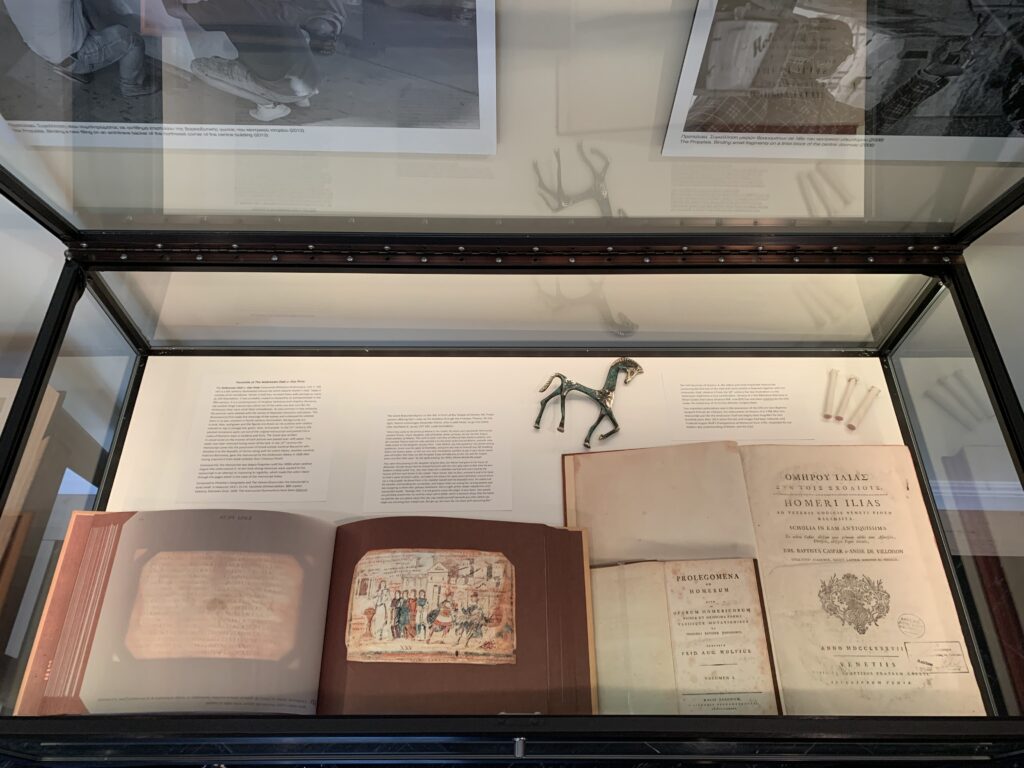
Facsimile of the original manuscript from the 5th century housed in the Ambrosian Library in Milan. It is the oldest preserved full illustration of Homer’s Iliad, possibly by the artist of the illuminated “Vergilius Vaticanus,” a similarly illustrated manuscript in the Vatican Library from the 5th century of Vergil’s Aeneid and Georgics.
“The Vienna Dioscorides”
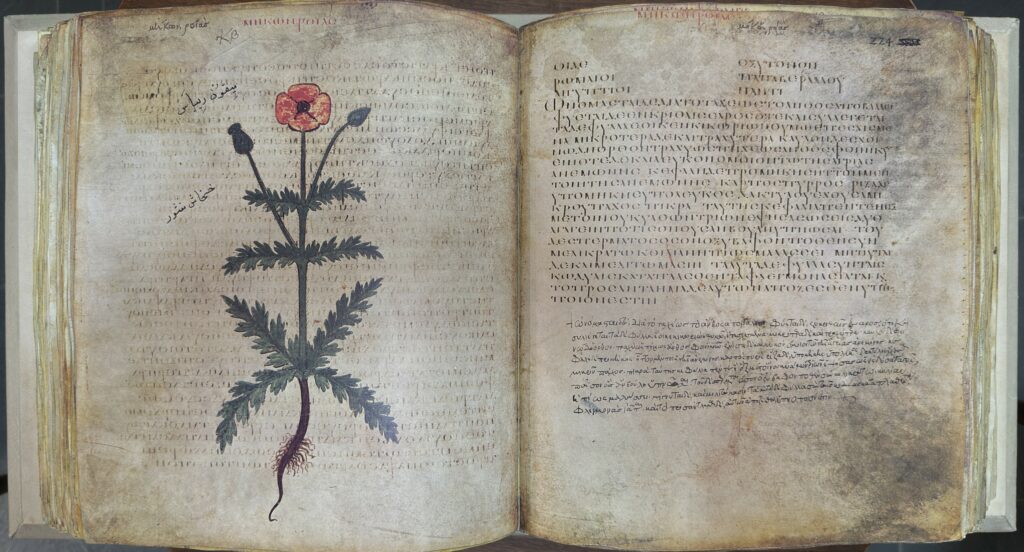
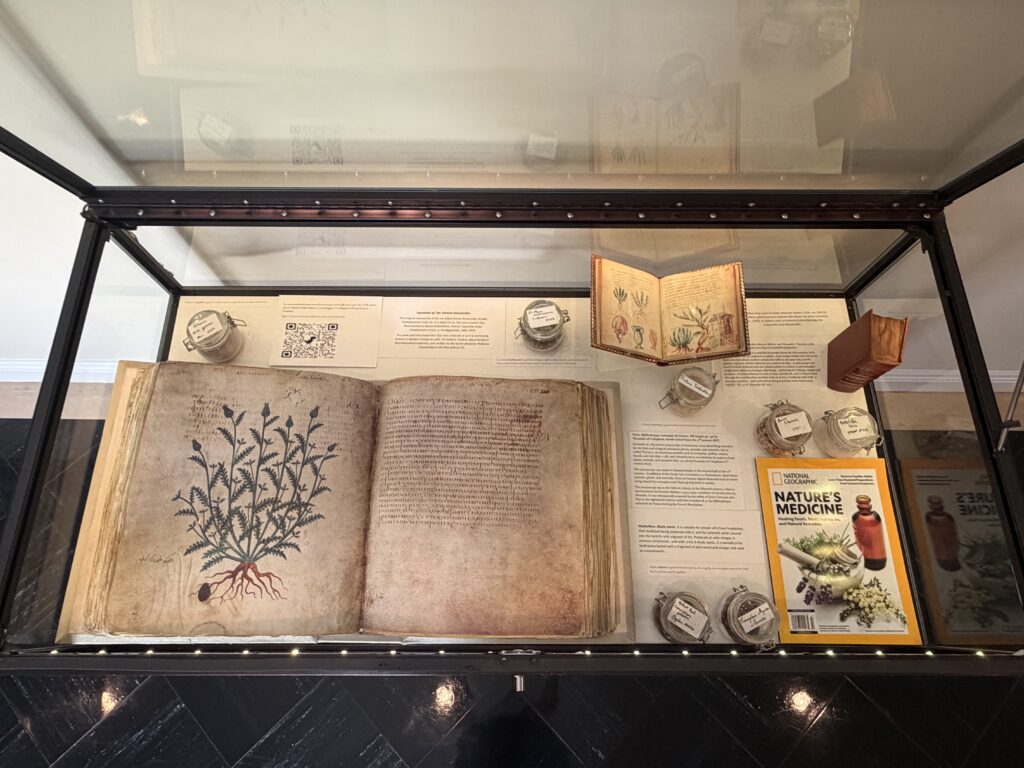
Facsimile of the original manuscript from ca. 512 Constantinople. The manuscript is housed in the Austrian National Library in Vienna. It contains illustrations and descriptions of some 600 curative plants, the oldest dedication portrait (of Anicia Juliana), the oldest ornithological treatise, and the oldest gold leaf background which came to characterize Byzantine large and small scale paintings and mosaics. The text influenced Galen and others and was used by hospitals and medical schools for more than 1,500 years. Library reader Sean Coughlin donated several herbs and spices described in the manuscript which nicely illustrate both the appearance of the dried materials and their scents. He also lead a workshop on the subject at the CHS in July 2026.
Athenian Democracy
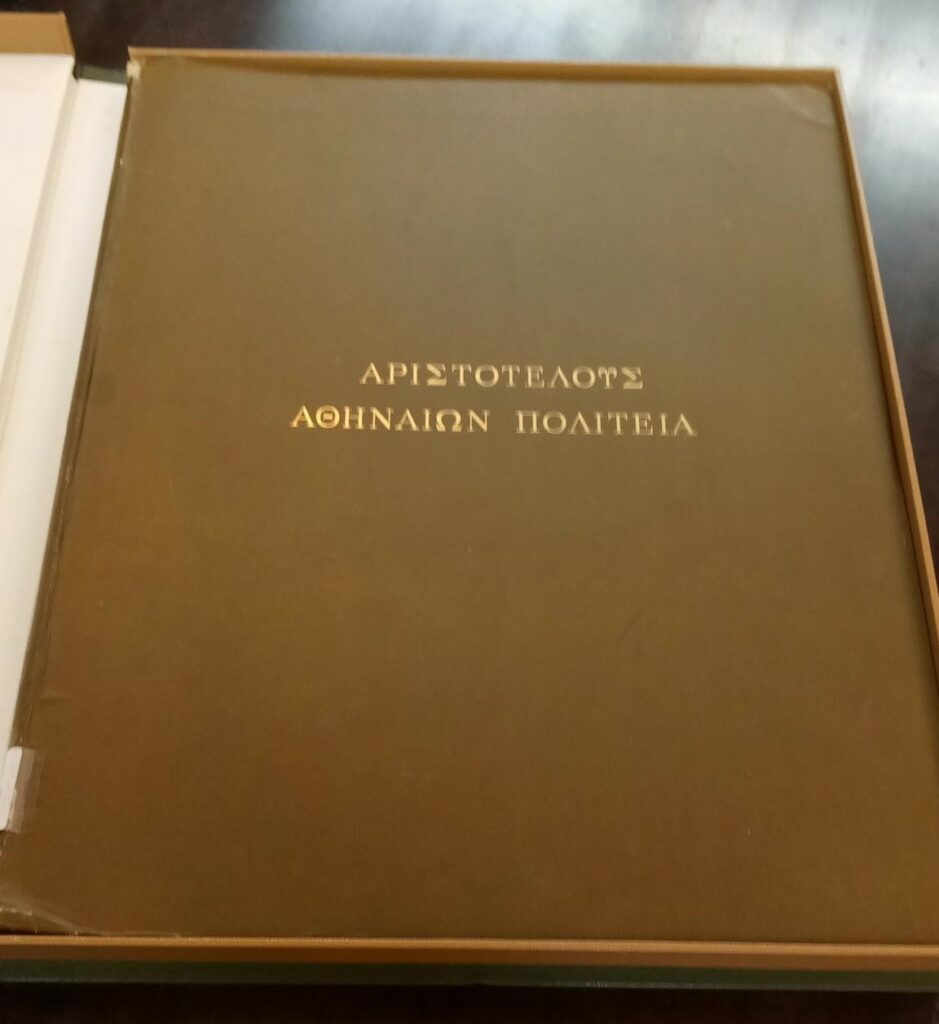
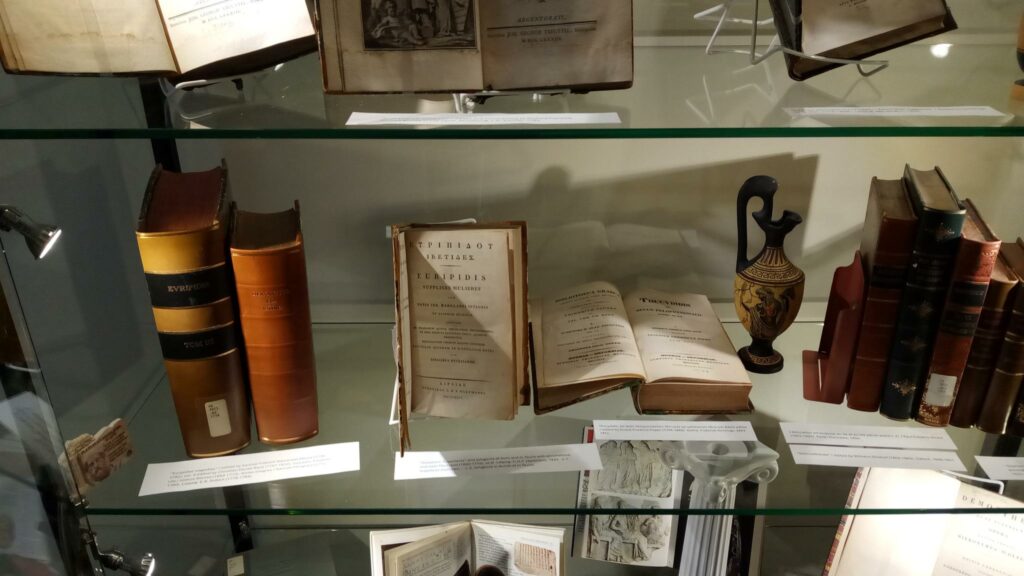
An exhibit in connection with the Greek Independence Day celebration of CHS and the Greek Embassy on March 25, 2025 featuring books on Athens’ democratic system from the sixth to the fourth centuries BCE, the heyday of Greece’s political and economic power, its greatest temples, sculpture, vase paintings, theater, prose, science and philosophy.
Ancient Greek Language
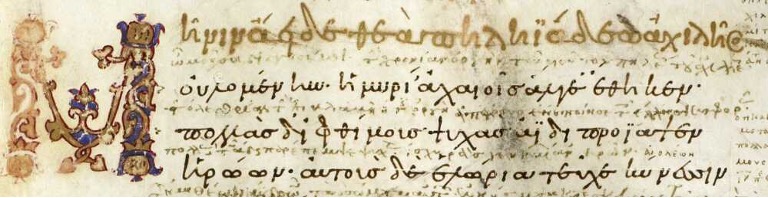
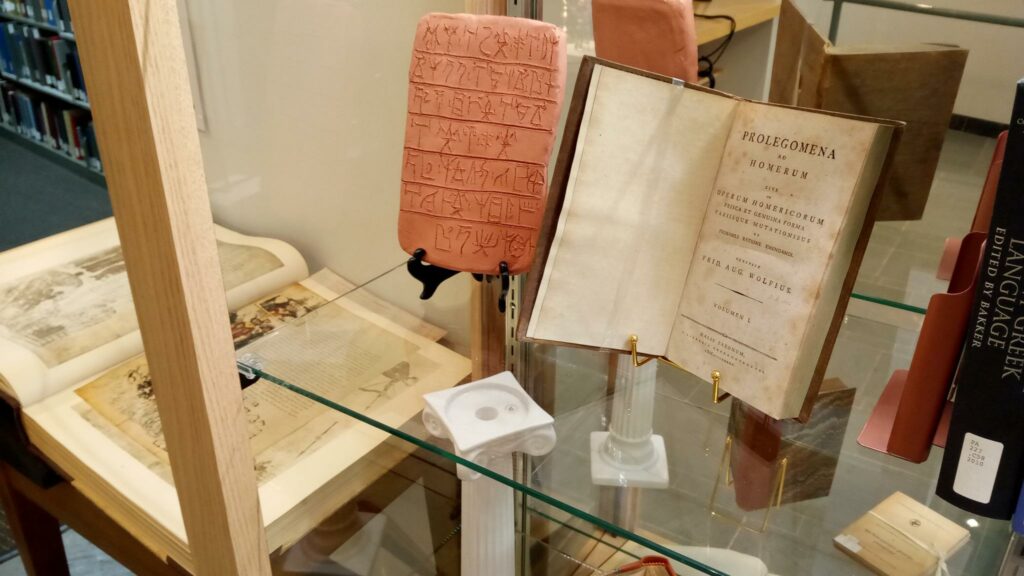
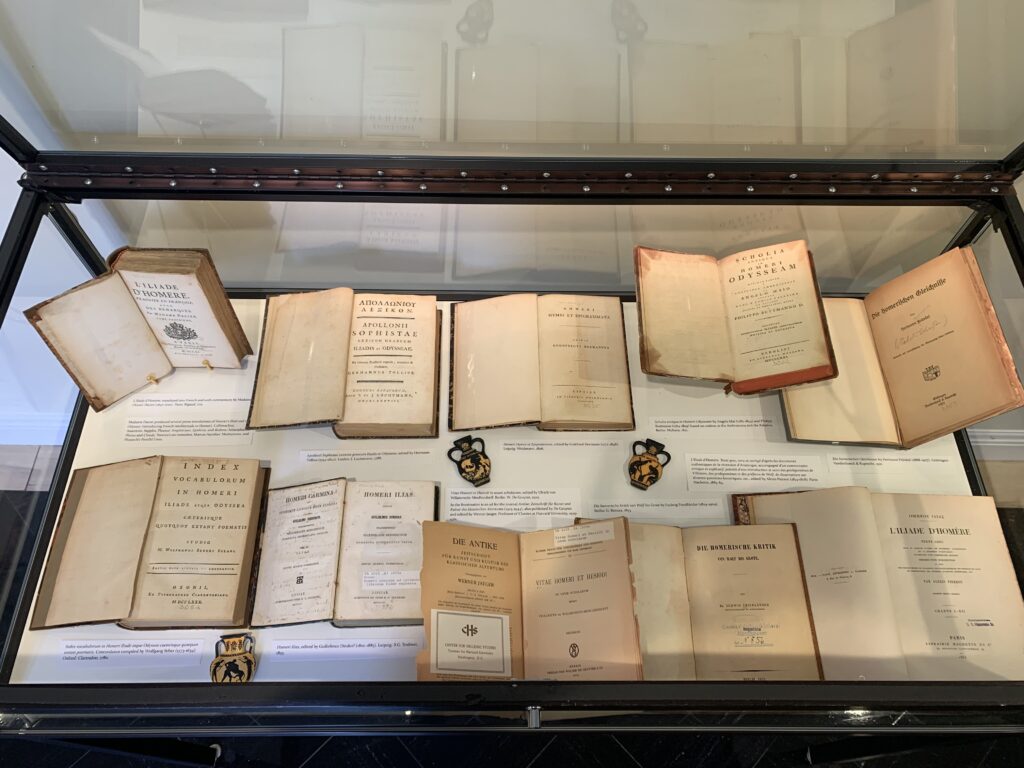
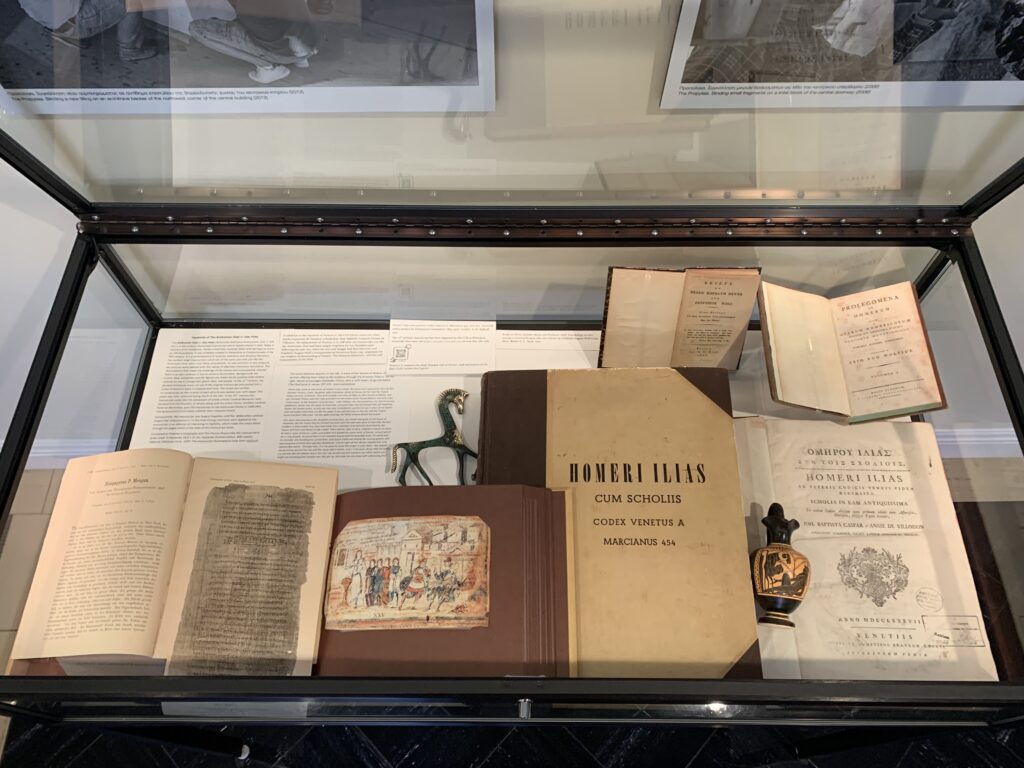
An exhibit in connection with the International Greek Language Day, February 9, 2025 marking the beginnings of Greek reflected in a modern rendering of Linear B to grammars from the nineteenth century and the work which has introduced numerous students to ancient Greek, Homer’s Iliad, represented by a facsimile of Venetus A, Villoison’s discovery of the manuscript, Wolf’s Prolegomena and the modern debate around the Homeric Question.
Herodotus and the Year 480 B.C.E.
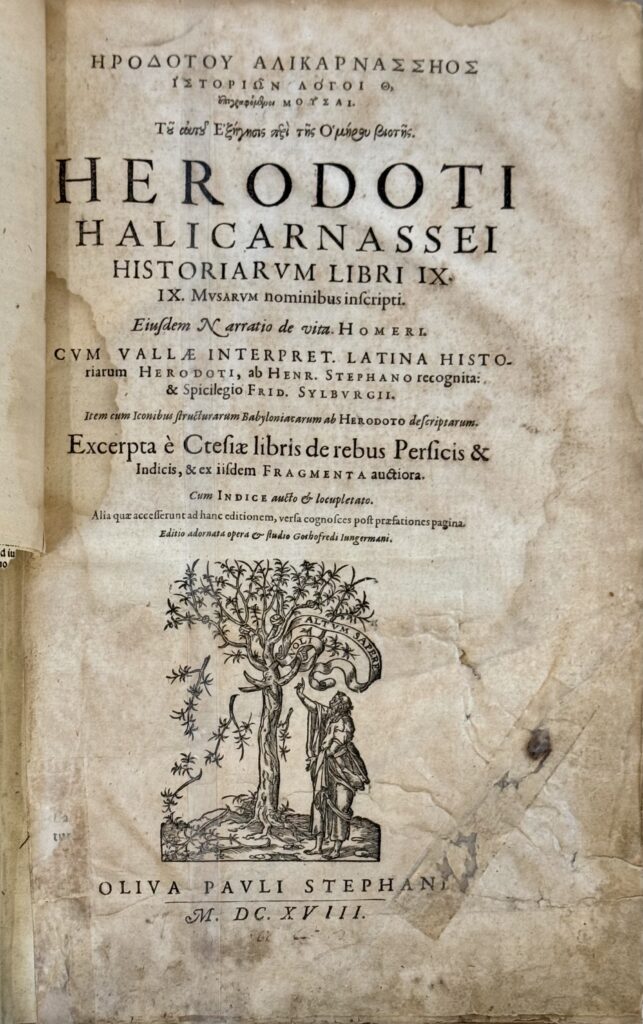
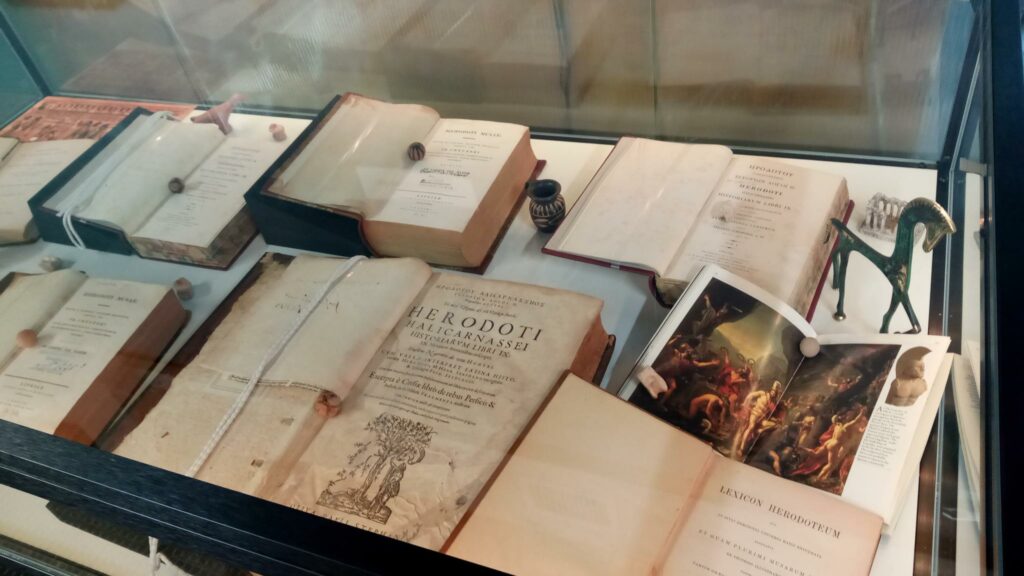
An exhibit in connection with this year’s Distinguished Lecture by Suzanne Marchand on February 5, 2025, discussing the year 480 BCE and its elevation in the course of the historiographical developments of the eighteenth and nineteenth centuries, focusing especially on how the post-classical readings of Herodotus changed over time, in the exhibit represented by various editions of Herodotus’ text from 1618 (Jungermann) until today.
Medieval Manuscript Leaves of Books of Hours, ca. 1440-1460
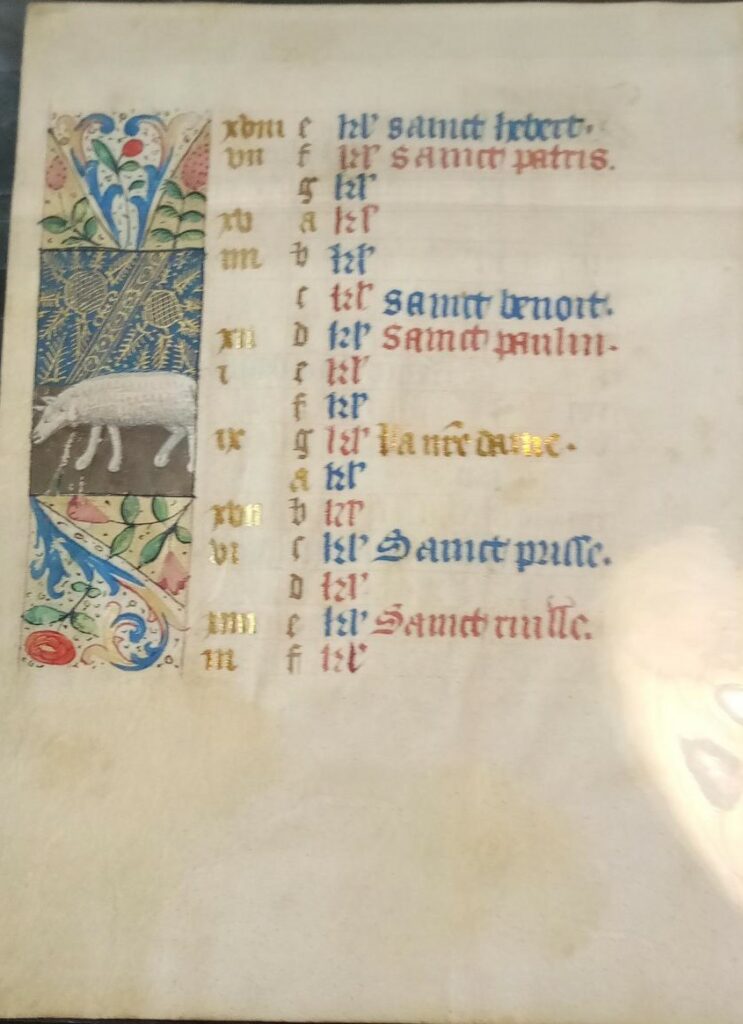
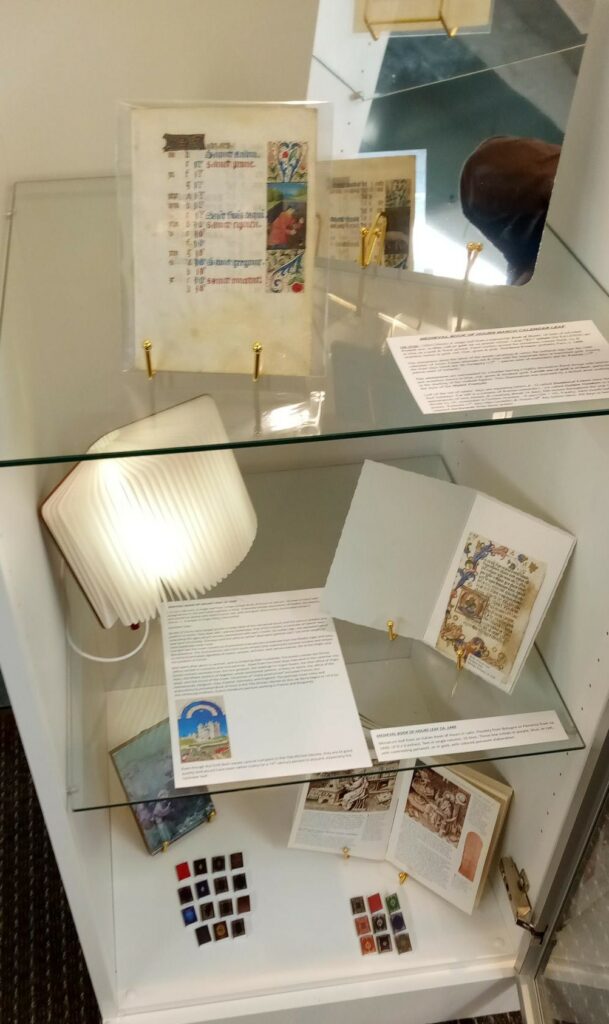
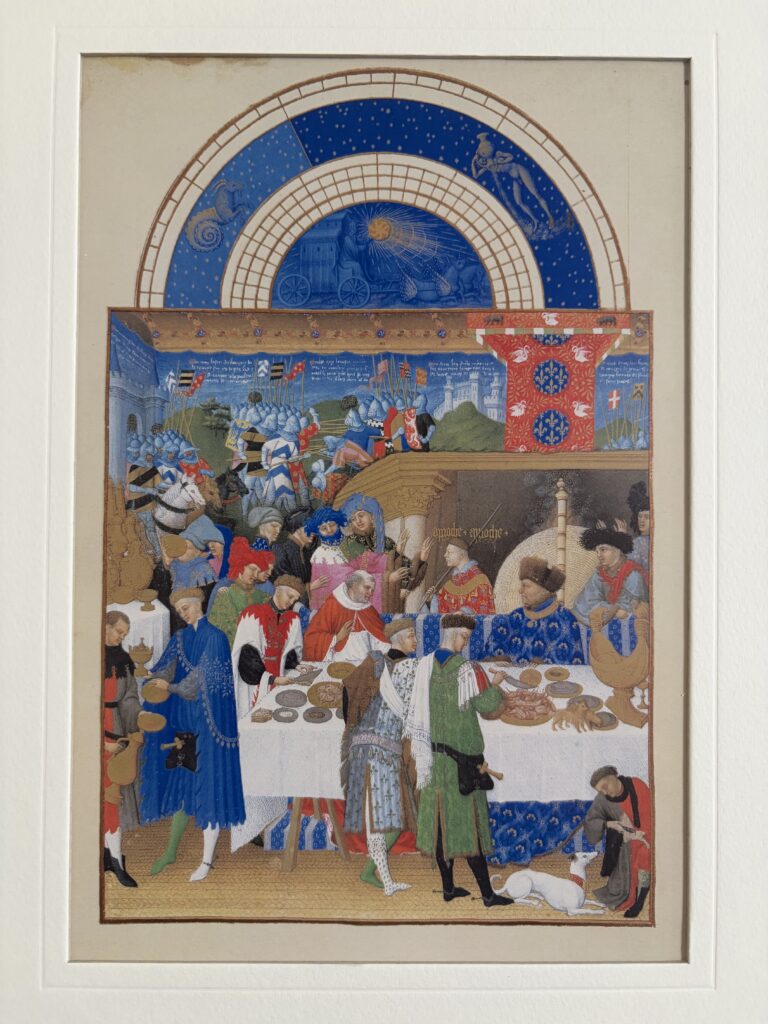
Catholic prayer books, containing also hymns and psalms, to follow the canonical hours of prayers and feast days. They usually begin with a calendar (calends) of saints’ days marked in red, hence the expression “red letter days,” often featuring illustrated vignettes of the agricultural activity of the month on the recto (seen here is “pruning” in the month of March) and the sign of the zodiac of the month on the verso (seen here is Aries, the sign of March following the Julian calendar). The CHS Books of Hours leaves have elaborate floral borders and initials in purple, blue, red, and gold. Also on display is a facsimile of an entire Book of Hours manuscript, a gift from Pope Leo X to celebrate the wedding of Lorenzo II de’ Medici and Madeleine de la Tour d’Auvergne. It is a miniature book with exquisite paintings by Boccardino the Elder, Stefano di Tommaso, and Boccardino the Younger. Produced in Florence ca. 1518.
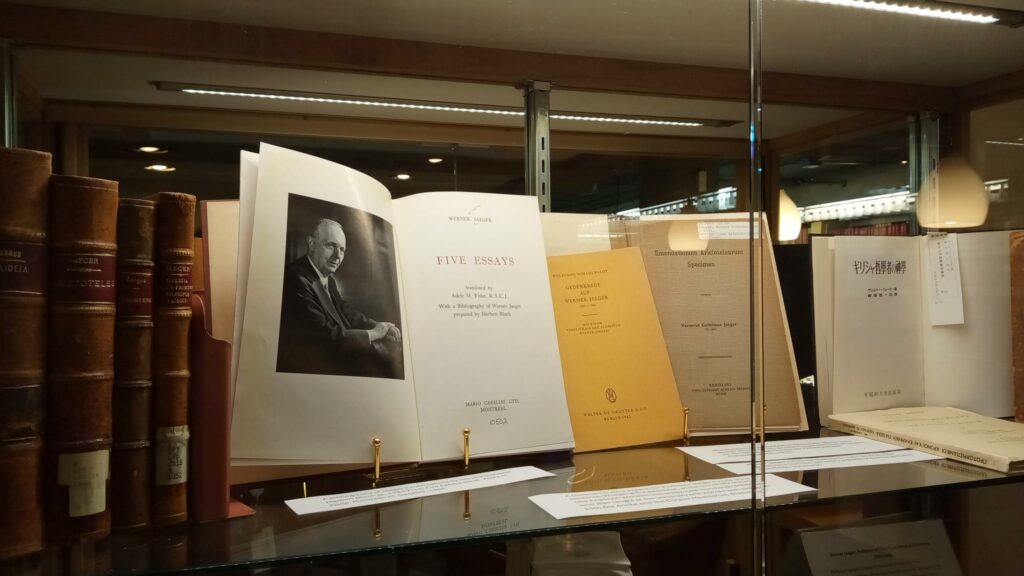
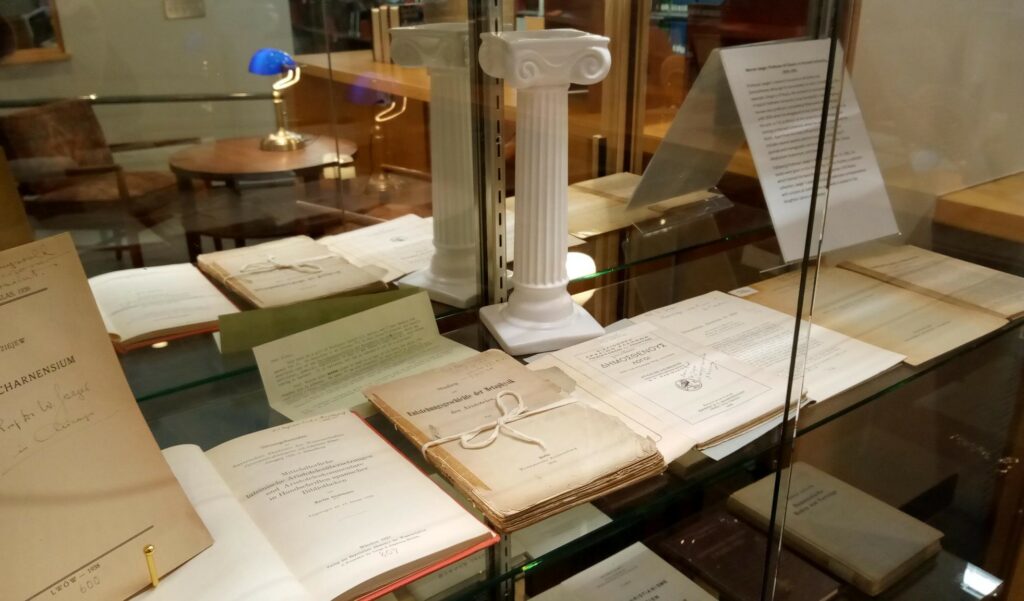
Werner Jaeger, Professor of Classics at Harvard University, 1939-1961
The first book collection received by CHS, and the beginning of its library in 1961, was that of Professor Jaeger. This included apart from his own books, many signed copies of books and off-prints given to Jaeger. Werner Jaeger received his doctorate at Humboldt University in Berlin where he was subsequently professor until he left Germany in 1936. The exhibit displays a copy of his dissertation, Emendationum Aristotelearum specimen, from 1911. Also exhibited is a large number of translations of Jaeger’s chef d’oeuvre Paideia: Die Formung des griechischen Menschen into English, Greek, French, Italian, Spanish, Portuguese, Japanese, Serbo-Croatian, Polish, Czech, etc. The various translations of Paideia, building on Tesseract, have most recently been used to develop local OCR capabilities in multiple languages, especially ancient Greek. Also exhibited is a commemoration, Gedenkrede auf Werner Jaeger, 1888-1961, by Wolfgang Schadewaldt, one of Jaeger’s former students in Berlin, and a number of Jaeger’s works on Aristotle, Demosthenes, and early Christianity.
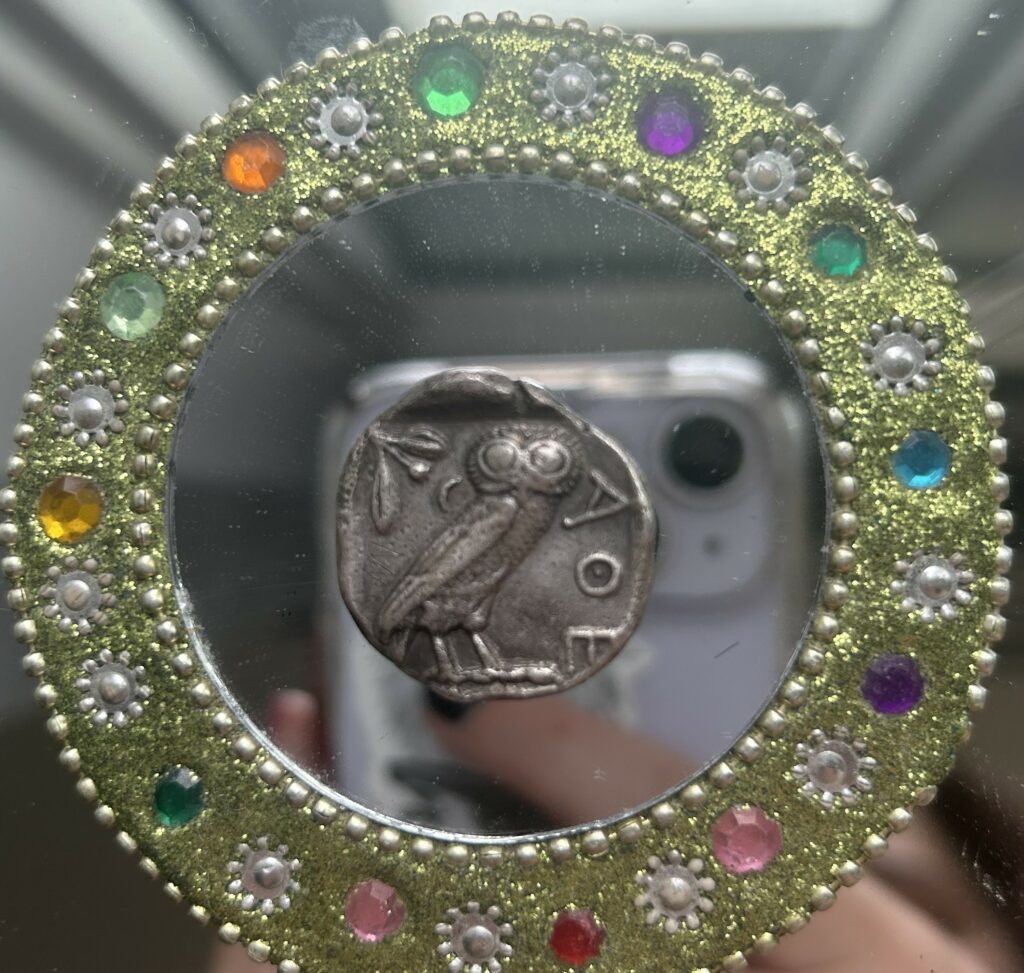
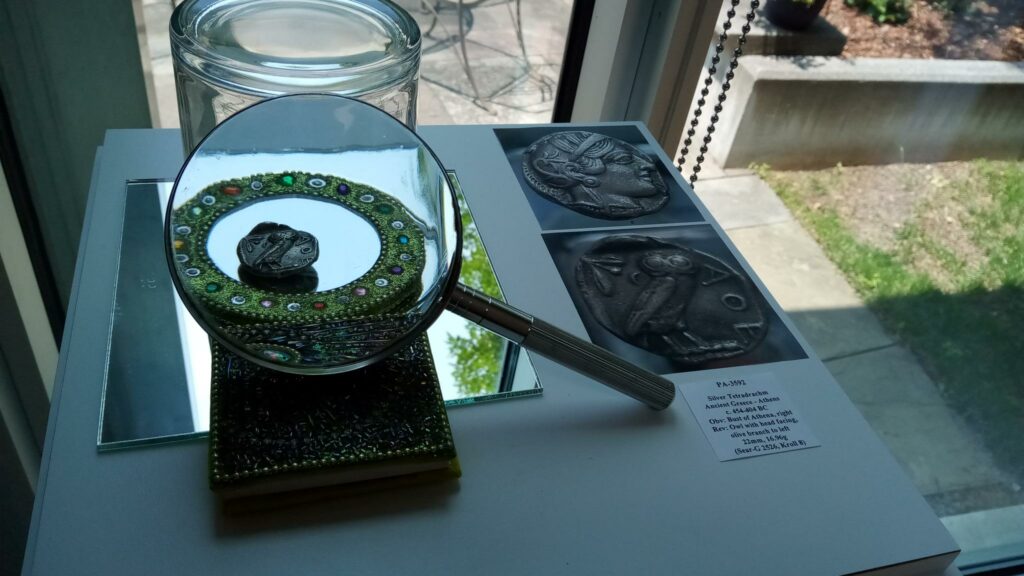
AthEnian Coin 450-400 B.C.E.
Silver Tetradrachm from Athens, ca. 454-404 BCE. Obverse: Goddess Athena, the Patron of Athens; Reverse: Her owl, one of Athena’s animal attributes and a symbol of the Athenian polis. This type of coin was first minted in 510 BCE, two years before Cleisthenes’ democratic reforms, and coincides with Athenian democracy, especially during the Periclean era.
Homer Translations in a Golden Age
In connection with a CHS conference on November 7, 2025, the library curated an exhibition of Homer scholia and translations. Included were classic translations as those of George Chapman, Alexander Pope, Samuel Butler, T.E. Lawrence (“Lawrence of Arabia”), Richmond Lattimore, and Robert Fagles, and more contemporary ones by Caroline Alexander, Daniel Mendelsohn, Richard Whitaker (South African translation), and Emily Wilson in addition to translations into other languages such as those of Madame Dacier (1647-1720) whose translations of the Iliad and the Odyssey introduced a French audience to Homer. Also included was John Flaxman’s (1755-1826) illustrations of scenes from the Iliad and the Odyssey.
Animals in Antiquity
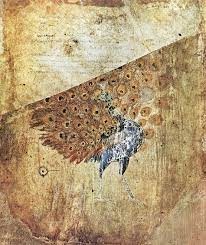
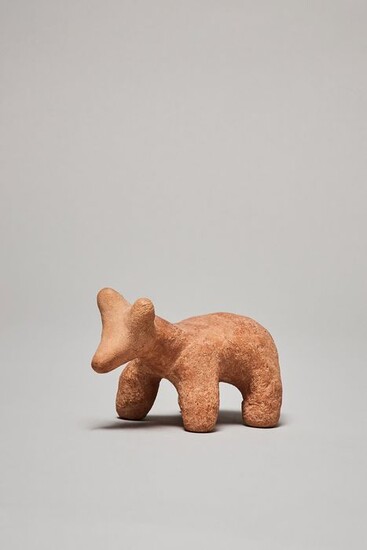
This exhibit features animals in ancient art and literature with emphasis on ancient Greece. Included are 21st century books on the topic owned by the CHS and ancient texts by Homer, Herodotus, Plato, Aristotle, Diodorus Siculus, Plutarch, Aelian, Porphyry and others discussing nonhuman animals, and images of animals featured on pottery, coins, frescoes, in sculpture, figurines, mosaics, and manuscripts.
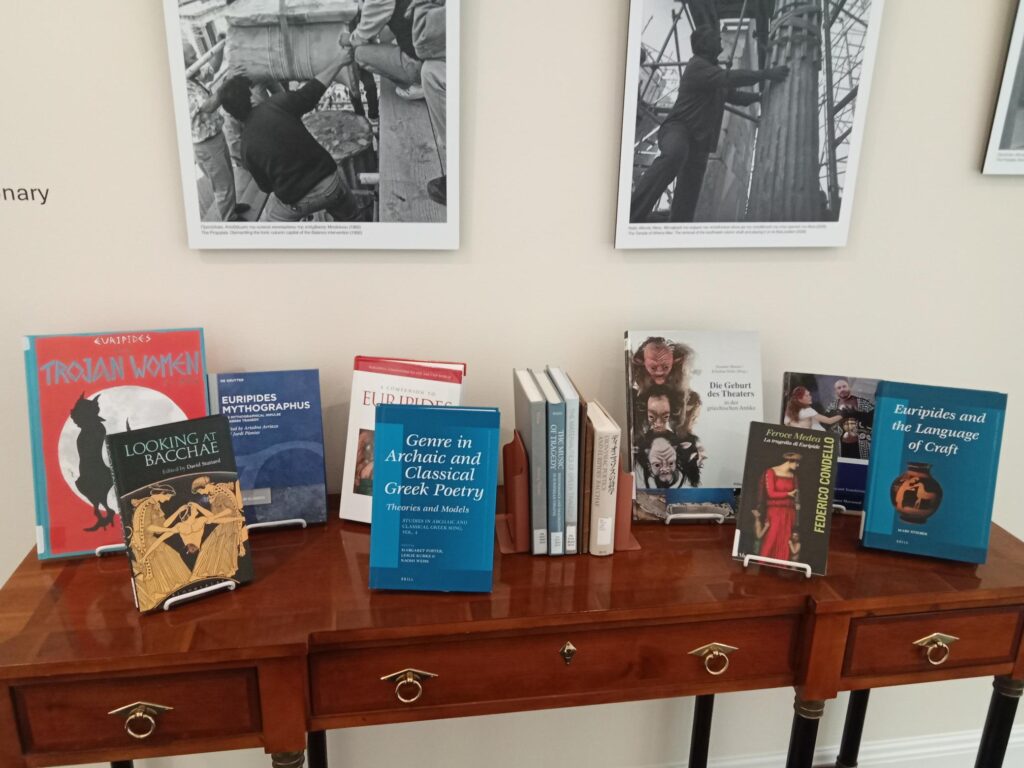
Euripides
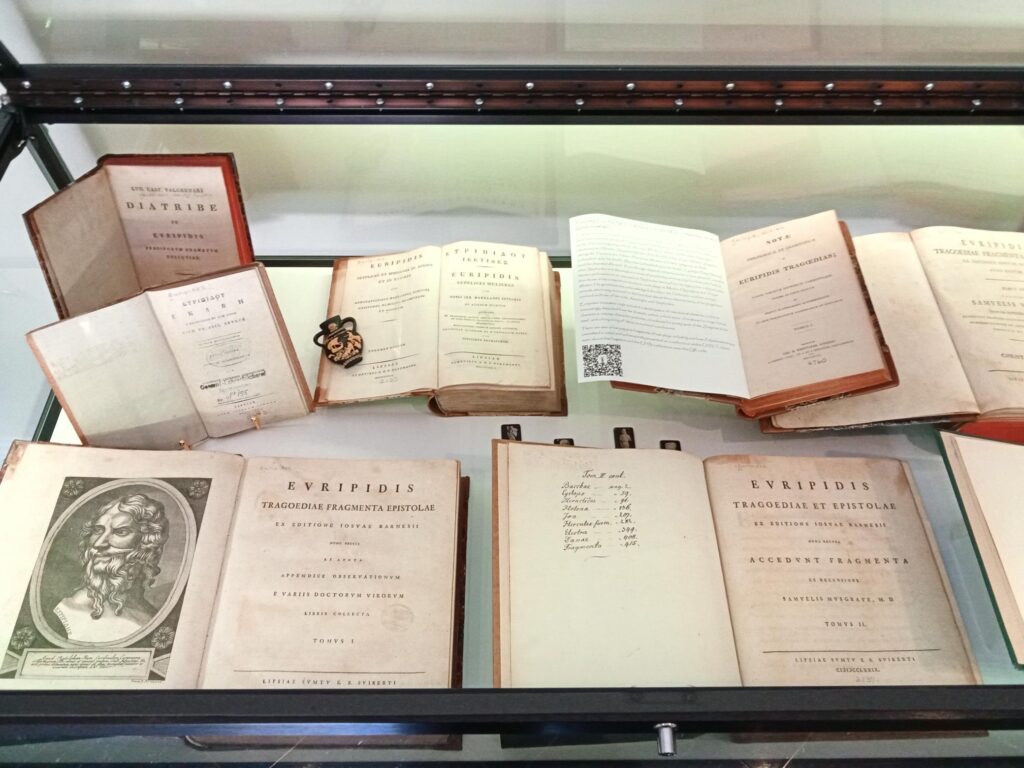
This display welcomes Naomi Weiss, CHS’s new Director, whose research centers on Greek tragedy and Euripides. Featured are some modern books such as Trojan Women: A Comic by Rosanna Bruno and text by Anne Carson, the subject of a popular podcast hosted by Director Weiss in April 2026, as well as rare books such as the 3 vols. Leipzig edition of Euripides’ tragedies, fragments, and letters with commentary by Joshua Barnes, Christian Beck, and Samuel Musgrave from 1779 (1778-1788).
Aristotle’s De anima
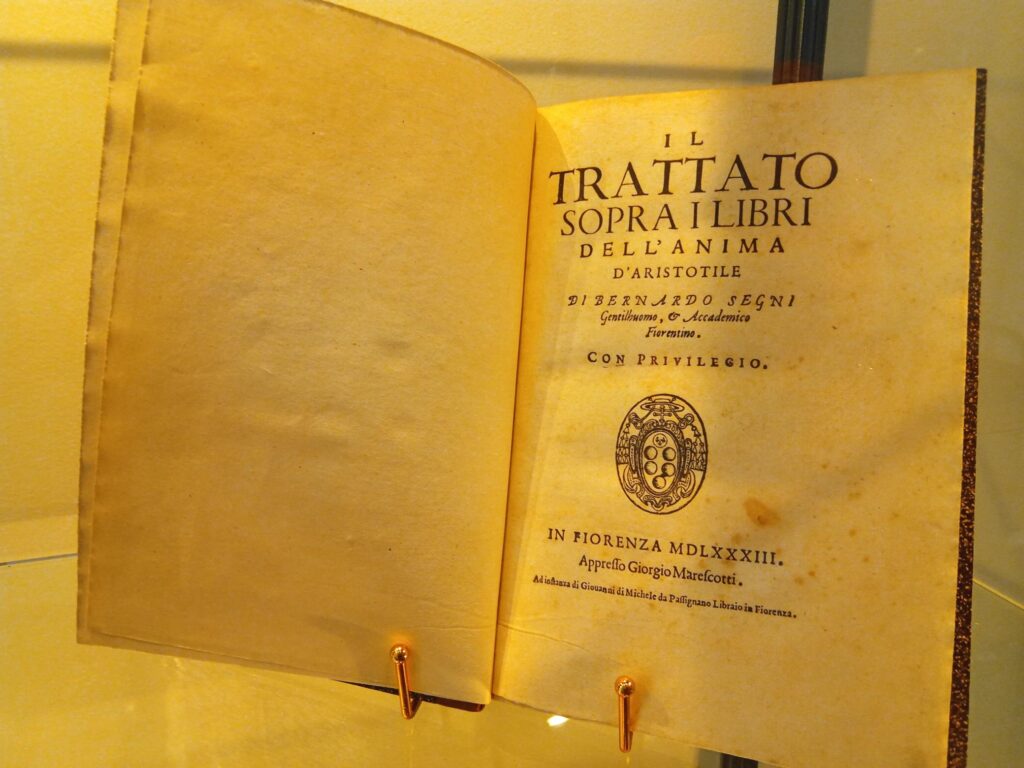
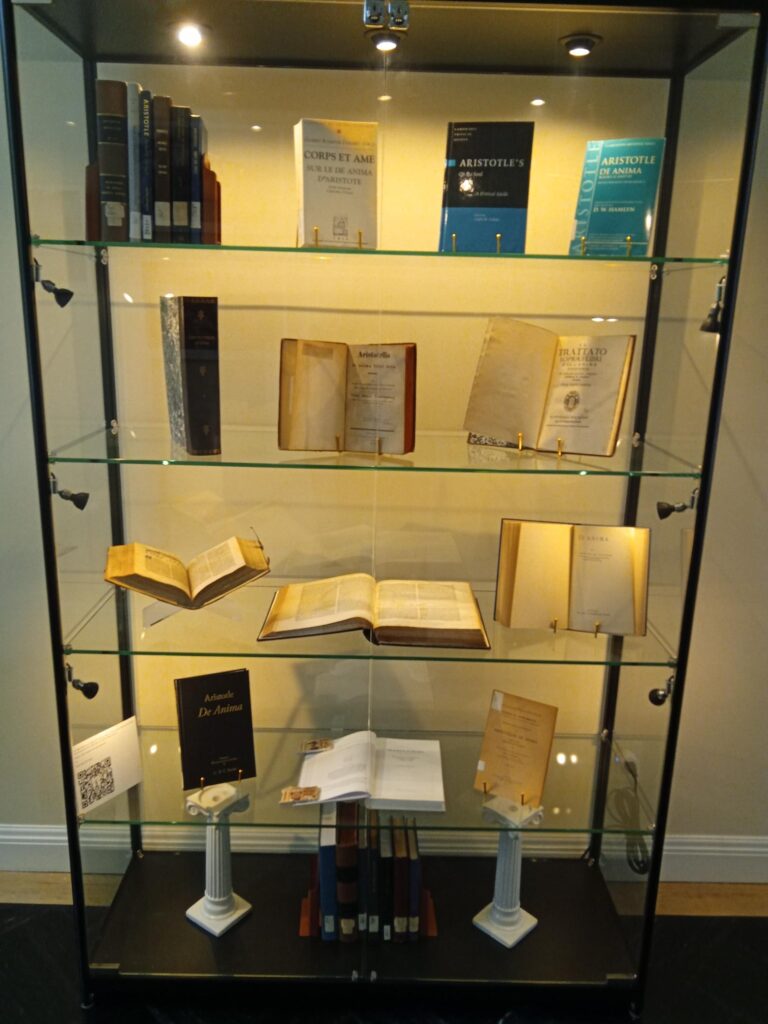
In connection with a graduate student workshop hosted by the CHS in June 2026 and lead by Harvard professors Peter Osorio (Classics) and Reier Helle (Philosophy), the library exhibited various editions of Aristotle’s De anima and a separate table featuring Alexander of Aphrodisias’ commentary. One of the rare editions featured was that of Bernardo Segni from 1583 and a 1621 edition of Aristotle’s De caelo including De anima with commentary by Francisco Murcia de la Llana on loan from CHS’s former Director Mark Schiefsky.
The Beauty of Geometry
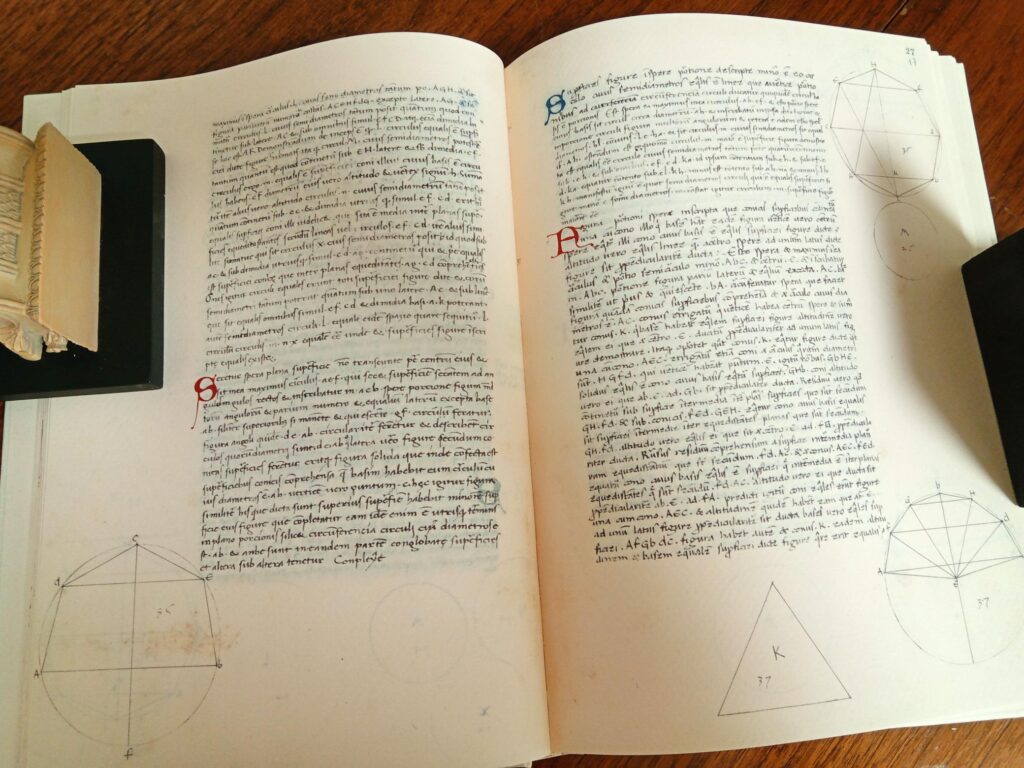
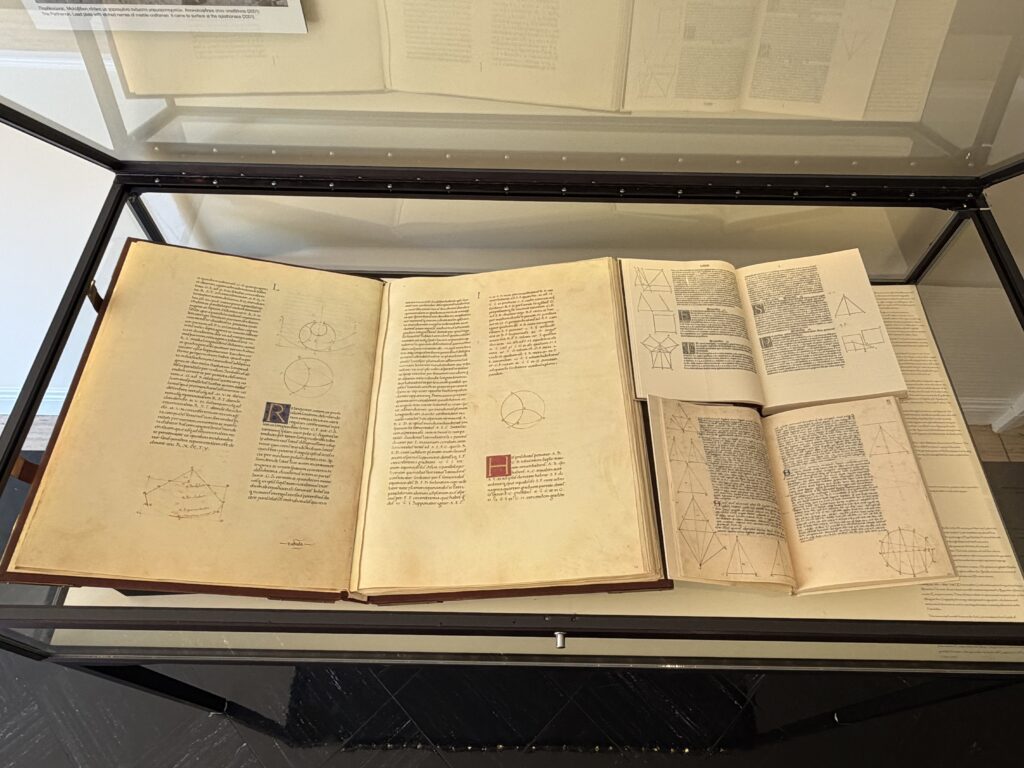
This display features works by Claudius Ptolemy, Archimedes, and Euclid. The CHS facsimile of Euclid’s Elementa was published in Venice in 1482 and was the first printed version of Euclid’s work. It was copied from Adelard of Bath’s 12th-century translation of an Arabic version of the original Greek and is the earliest extant Latin translation. The CHS manuscript facsimile of Archimedes’ work is a Latin translation from Greek by Jacopo da Cremona produced in the mid-15th century. The manuscript is in Biblioteca Riccardiana in Florence and is unique in that it features Renaissance painter Piero della Francesca’s drawings and commentary. Ptolemy based his map-making largely on geometric calculations. The CHS manuscript facsimile features the first Latin translation from Greek of Ptolemy’s Geography from 1409. The original is in the Vatican library.
Ancient Greek Astrology
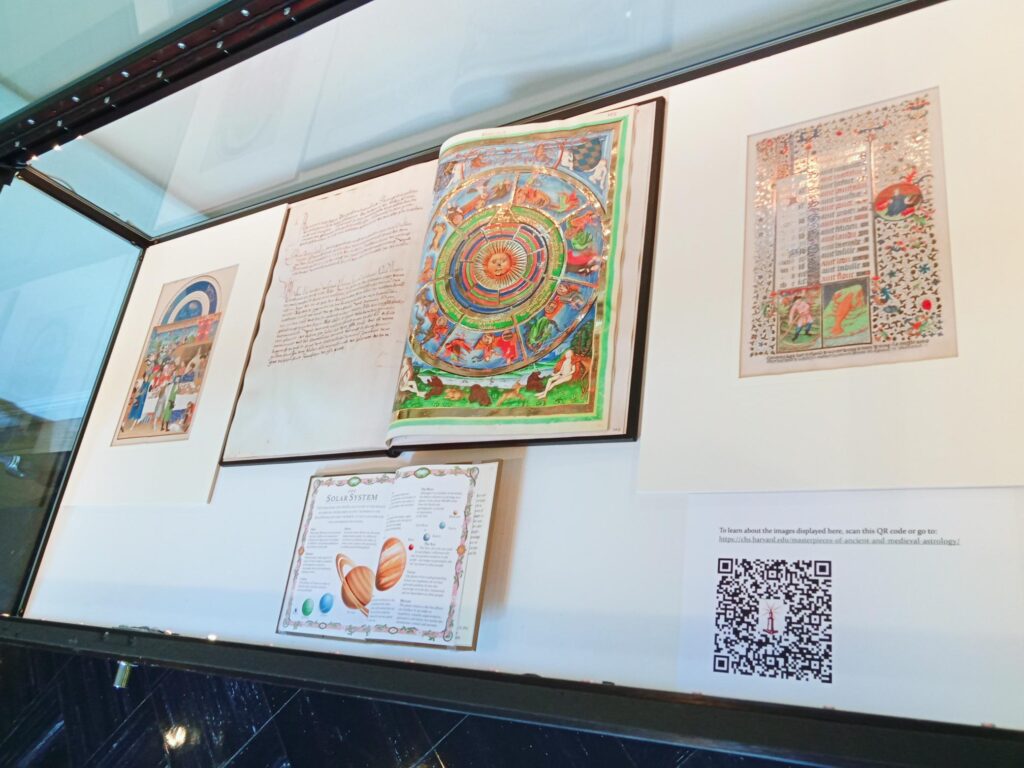
This display showcases images from famous medieval manuscripts on the alignment of the sun and moon, the planets, and the signs of the zodiac based on Greek astrology. Interpreting and predicting earthly and human events from the alignments of the fixed stars, the sun, the moon, and the planets became popular especially during the Hellenistic period and in Rome both in the late Republic and the Empire. However, many of the greatest Greek scientists and philosophers of antiquity including Plato, Aristotle, Euclid, Archimedes, and Ptolemy referenced astrological observations in their examinations as did later Greek historians such as Diodorus Siculus and Josephus.
The Preservation and Legacy of Plato’s Metaphysics
Curated by Ben Golden Shelsby
Junior, St. John’s College, Annapolis, Intern, CHS, summer 2026
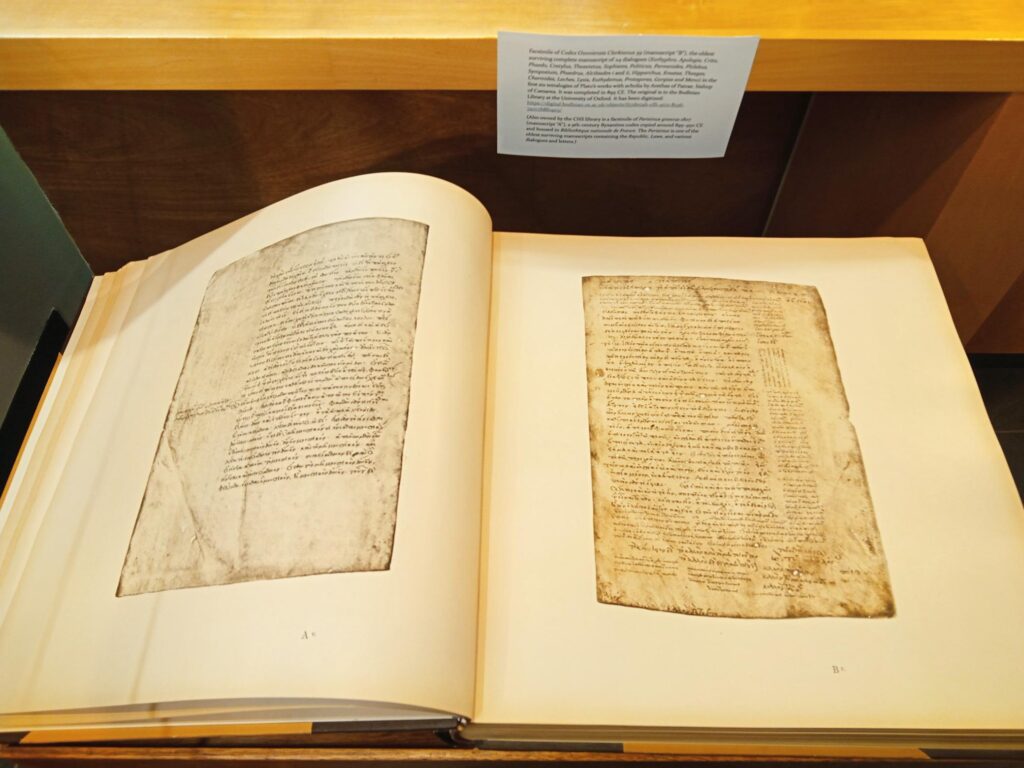
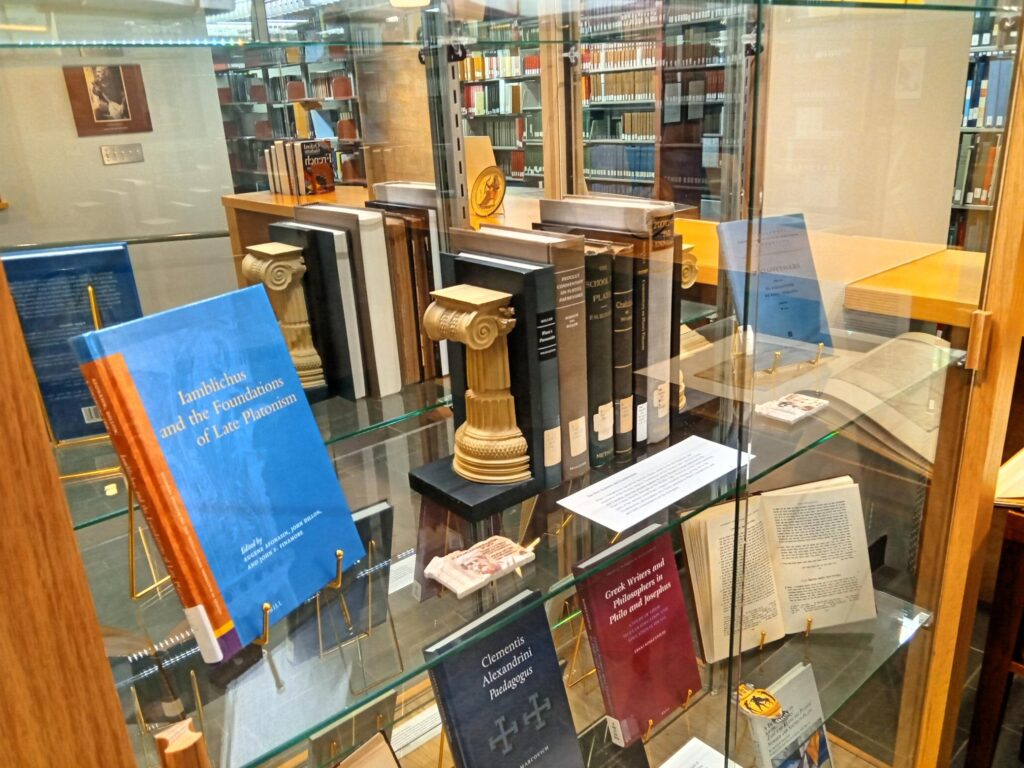
This exhibit focuses on the metaphysical writings of Plato. The upper shelf features Alexander Hommel’s 1834 Leipzig edition of the Symposium. The second shelf, the new academy and Neoplatonism represented by Proclus’ commentary on Parmenides and Cicero’s translation of Timaeus, the third shelf focuses on Plato’s influence on the Abrahamic religions represented by works of Clemens of Alexandria, Averroe, Philo, and Josephus. The bottom shelf highlights Plato’s forms and mathematical thinking represented by Arthur Ahlvers’ Zahl und Klang bei Platon. Also featured is CHS’s facsimile of Codex Oxoniensis Clarkianus 39 (manuscript “B”), the oldest surviving manuscript of 24 dialogues in the first six tetralogies of Plato’s works with scholia of Arethas of Patrae, bishop of Caesarea, completed in 895. The original is in the Bodleian Library at the University of Oxford.
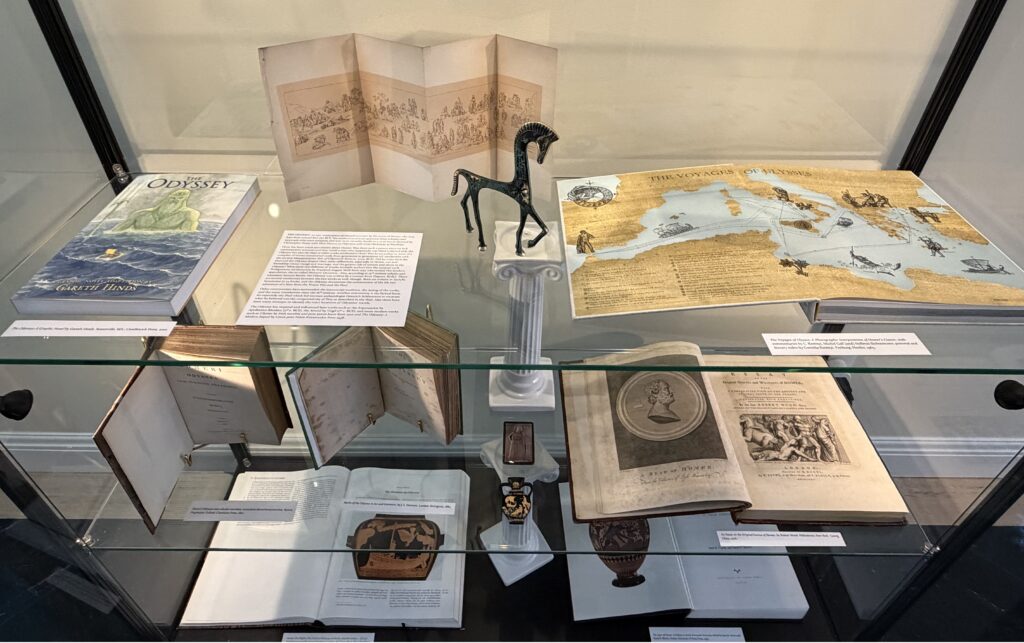
The Odyssey in the Library
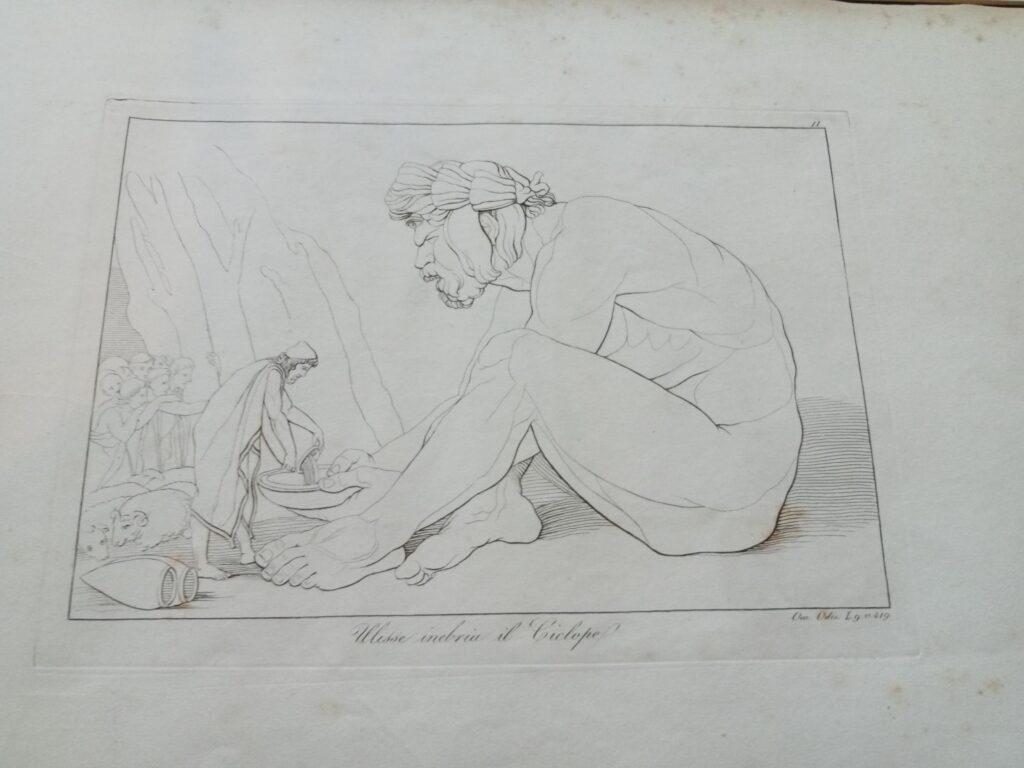
This display features John Flaxman’s engravings from 1793-1810 with images from the Odyssey and several English translations of the epic such as those of George Chapman from 1616, Alexander Pope in English verse from 1725-26, Richmond Lattimore from 1965, Robert Fagles from 1996, Emily Wilson, the translation used by Christopher Nolan in his film The Odyssey (2026), from 2017, Richard Whitaker, in South African dialect from the same year (2017), and Daniel Mendelsohn from 2025.
Other interesting items include Friedrich August Wolf’s 1795 Prolegomena ad Homerum, the post-classical work that spurred the “Homeric Question” as Wolf argued that the Odyssey was written by a different author than the Iliad, and Samuel Butler’s 1897 arguments for identifying the author of the Odyssey as female, and The Odyssey: A Graphic Novel by Gareth Hinds from 2010.